
Operation Scalis pilot to be expanded
17 July 2024
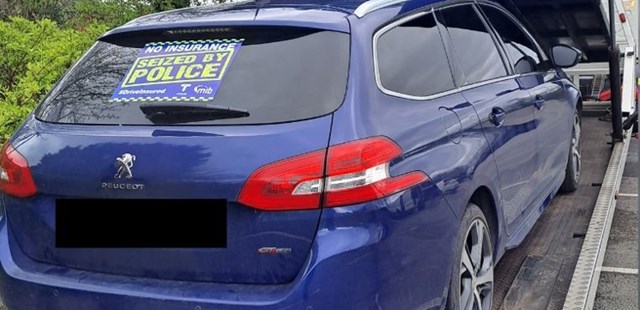
Following the success seen with West Midlands Police, Operation Scalis is set for a two-phase expansion to an additional eight forces. The dedicated resourcing of officers will allow for focused targeting of uninsured vehicles.
What is Operation Scalis?
Every job comes with conflicting priorities, each vying for attention – none more so than policing. That is why we are piloting the allocation of dedicated resourcing, allowing officers to solely focus on tackling uninsured driving in key hotspots across their force’s region.
The initial pilot, undertaken with West Midlands Police, saw 19 days of operations spread over five months. This allowed officers to trial activity across different areas of the West Midlands and refine success as learnings were made regarding which hotspots yielded the best results and, in turn, take additional uninsured vehicles off the road. By utilising this method, single deployments saw as many as 19 uninsured vehicles being seized.
Operation Tutelage markers and predictive movements – which identifies a 15-minute window in which a known uninsured vehicle will pass a particular police camera – were used throughout the Operation Scalis to help officers identify uninsured vehicles. In addition, MIB law enforcement liaison officers joined several operations to provide roadside checking of Navigate policy data and a direct link to the Police Helpline, speeding up the process of confirming a vehicles insurance status.
Sergeant Adrian Brown, West Midlands Police’s Road Harm Prevention Team Supervisor, said: “The results of Operation Scalis speak for themselves –175 uninsured vehicles have been seized and numerous others have had insurance issues resolved at the roadside. During the 19 deployments, we also recovered stolen vehicles and identified individuals driving whilst disqualified, with outstanding court warrants, and using vehicles to transport stolen property. The roads across West Midlands are undoubtedly safer.
“Working with MIB allowed West Midlands officers to focus time and resources on uninsured driving. We used data provided by MIB to identify uninsured hotspots, as well as exact locations where known uninsured vehicles were likely to be within a narrow window of time.
“We’re looking forward to running another period of Operation Scalis days with MIB’s support later this year as we continue our mutual fight against uninsured driving.”
Two-phase pilot expansion
To continue monitoring impact whilst providing support to forces taking part in our initiative pilot, there will be a two-phase expansion process:
- Phase 1 – running June to September:
- West Yorkshire – pilot started, with five seizures completed in the first operation.
- Essex – commencing early August.
- Phase 2 – running August to November:
- West Midlands – a second pilot will be undertaken with this force, to identify improved learnings.
- Met Police
- Greater Manchester
- Thames Valley
- Northamptonshire
- Northumbria
Following the initiative expansion, results and learnings will be shared via Enforce newsletter and through force contacts. Whilst seizure rates across the initiative pilots are, of course, of importance, we believe it is also crucial that we learn and share from different ways of working and targeting.
Chief Inspector James Farrar, of West Yorkshire’s Road Policing Unit, said: “Working with MIB will allow us to dedicate our time and focus our efforts. This will allow us to have a targeted approach to identifying and removing uninsured vehicles from roads across the county.
“We will be focusing on areas with the highest levels of uninsured driving throughout West Yorkshire in order to maximise impact, whilst using learning from other forces who are also collaborating with MIB in rolling out Operation Scalis”
Head of Essex Police’s Road Policing Unit, Mr Adam Pipe, said: “There is a recognised, evidenced link between uninsured drivers and serious or fatal collisions, but often the links between uninsured drivers and further criminality are overlooked.
“Whilst the majority of drivers are correctly insured, we’ll continue to work with MIB and other partners using data and intelligence to identify those who use our roads illegally, to target areas where there are high levels of uninsured vehicles and to disrupt the criminal use of the road network in order to protect those drivers who adhere to the law.”
Get involved
We believe that multiple brains are always better than one. We know that different perspectives can add value to tackling uninsured driving and that our police colleagues are at the frontline of this challenge.
If you have any ideas, insight, or questions that can support our mutual goal of reducing uninsured driving, we would love to hear from you.